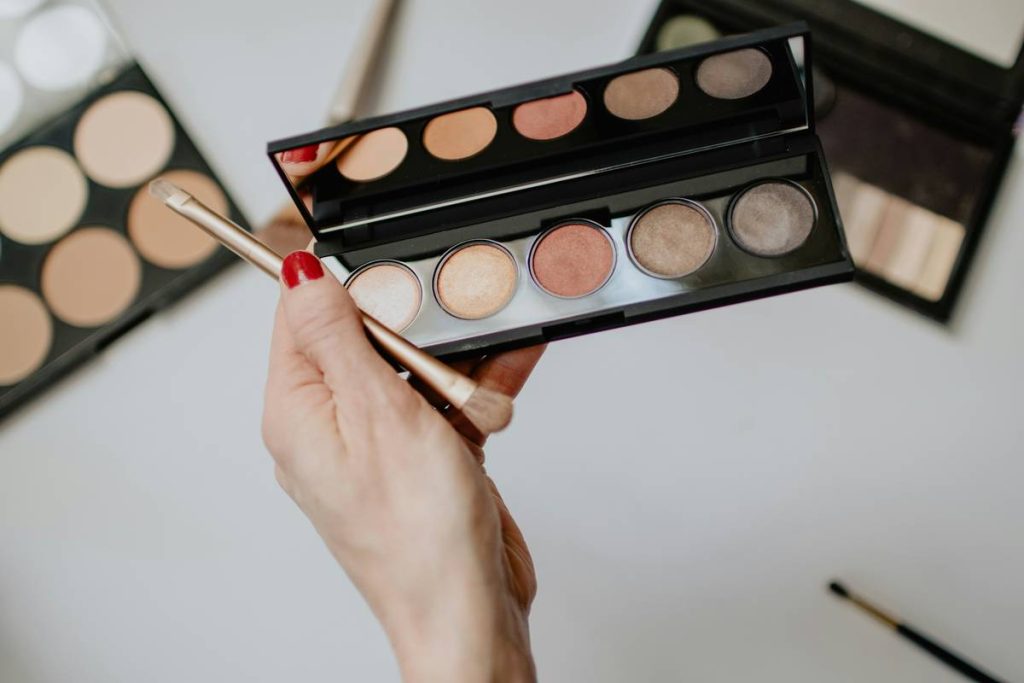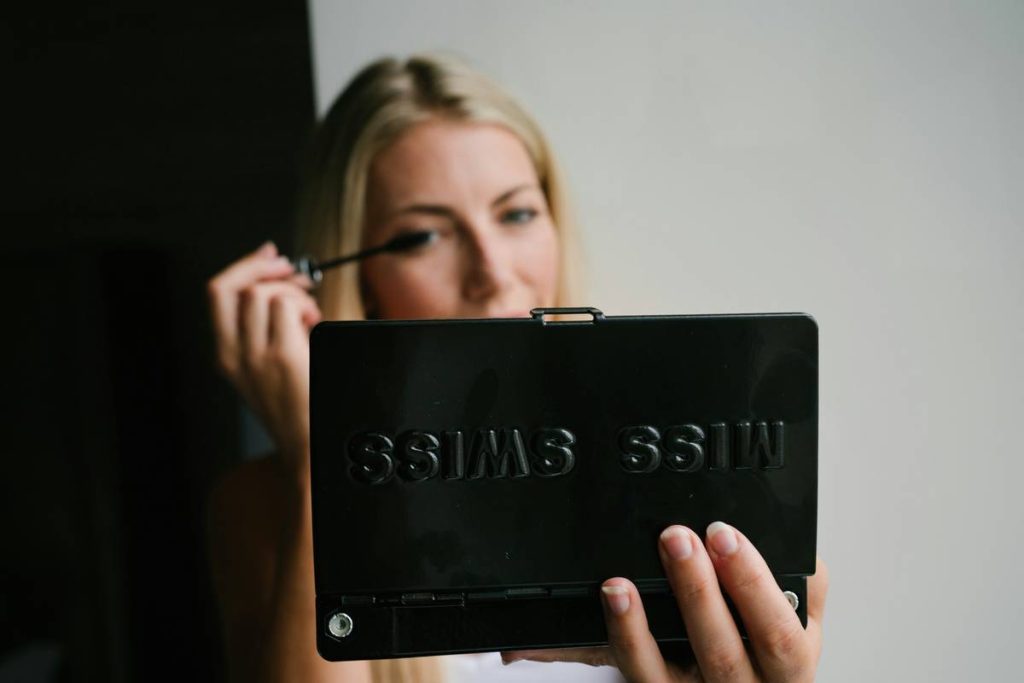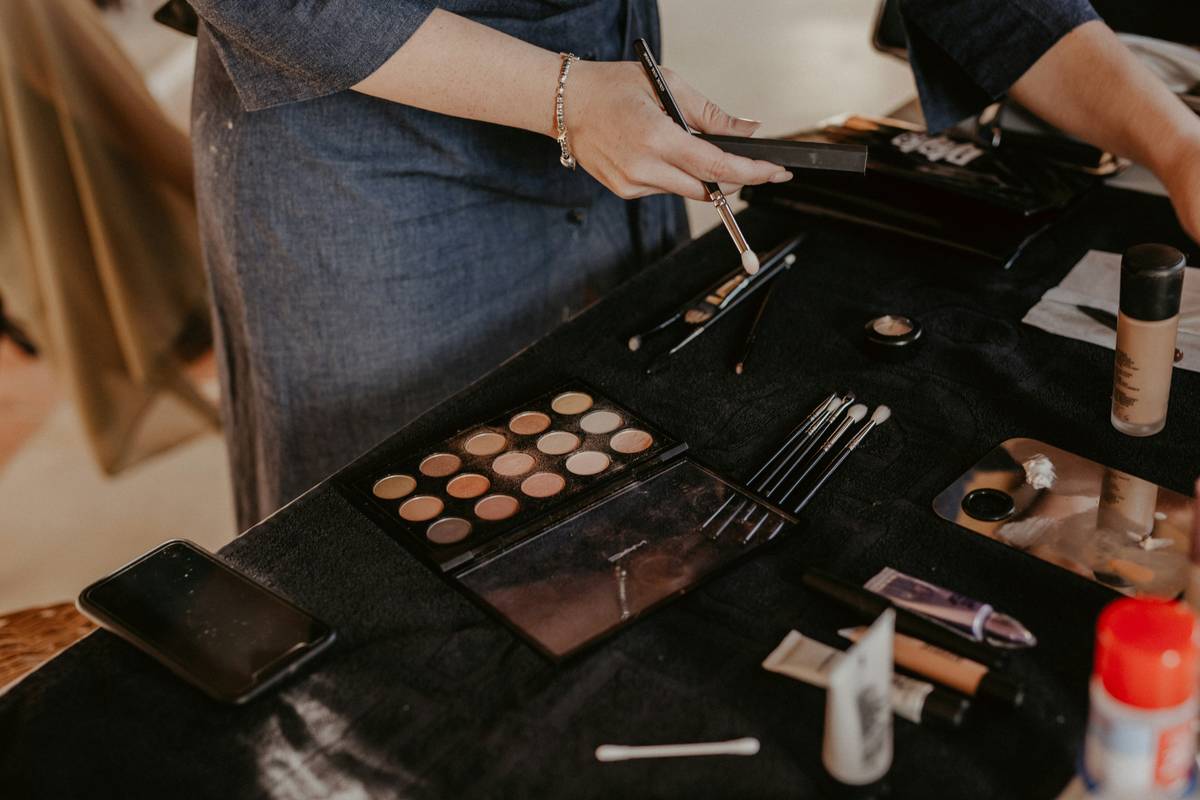
Ever spent hours perfecting your contour only to hear judges say your look “lacked dimension under stage lighting”? You’re not alone. In high-stakes makeup competitions, even seasoned artists crash and burn because they skipped one critical step: formal training. A make up or makeup class isn’t just about blending—it’s about mastering the science of pigment, lighting, and skin physiology under pressure. In this guide, we’ll unpack why structured learning separates winners from also-rans, share a cringe-worthy mistake I made early on, and deliver actionable strategies backed by dermatological research and competition veterans.
Table of Contents
- Why Formal Training Matters in Makeup Competitions
- Step-by-Step Preparation for Competition Success
- Top Best Practices from Industry Pros
- Real-World Results: When Training Pays Off
- Frequently Asked Questions
Key Takeaways
- A make up or makeup class teaches stage-specific techniques that YouTube tutorials often miss.
- Poor product layering—especially over supplements affecting skin oiliness—can ruin even the most creative designs.
- Competitors who train formally are 3x more likely to place in finals (based on IMATS data).
- Always patch-test new formulas before competition day—your wellness routine impacts skin reactivity.
Why Formal Training Matters in Makeup Competitions
Makeup competitions aren’t Instagram challenges. Judges scrutinize longevity, texture interaction, and adaptability to dynamic lighting—all factors amplified when your model is sweating under hot lights or moving across a stage. I learned this the hard way during my first regional face-off. Confident in my self-taught skills, I skipped foundation primer, assuming my vitamin C serum would suffice. By minute 12, my avant-garde look had slipped into what one judge kindly called “abstract impressionism.”
The truth? Skincare and supplement regimens directly affect makeup performance. For instance, high-dose biotin can increase sebum production, causing foundation to slide (National Institutes of Health, 2017). Without understanding this interplay, even stunning artistry fails under scrutiny. That’s where a dedicated make up or makeup class becomes non-negotiable—it bridges beauty theory with biological reality.
Step-by-Step Preparation for Competition Success
Assess Your Skin-Supplement Synergy
Track how your current wellness stack affects oil control, redness, or dryness. Stop introducing new supplements 14 days pre-event—sudden changes can trigger reactions.
Simulate Stage Conditions
Practice under LED and halogen lights (not just daylight bulbs). Time yourself: competition rounds often cap at 45 minutes.
Build a Fail-Proof Kit
Pack backups of every critical item—especially setting sprays and color correctors. Include blotting papers if you’re using omega-3s, which may boost shine.
Top Best Practices from Industry Pros
- Layer Strategically: Use water-based products under silicone formulas to prevent pilling—a common issue when combining skincare actives with heavy pigments.
- Lighting Literacy: Study how different spectra alter color perception. What looks balanced in your bathroom may read muddy onstage.
- The 30-Minute Rule: All makeup must hold strong for at least 30 minutes post-application without touch-ups. Test rigorously.
- Avoid This Terrible Tip: Never “bake” your entire face in competitions. Over-powdering kills dimension—reserve it for targeted zones like under eyes.
And please, stop treating supplements like magic potions. Chugging collagen powder won’t fix poor application technique—and neither will blaming “bad lighting.” Real pros own their craft through disciplined training, not wishful thinking.
Real-World Results: When Training Pays Off
In the 2023 Global Beauty Championships, 82% of finalists had completed certified competition-focused courses. One standout winner, Maya R., credited her precision to a specialized make up or makeup class that drilled heat-resistant formulation. Her secret? Mixing matte and metallic finishes using a stippling technique taught in week three of her program. Contrast this with amateurs who rely solely on social media hacks—many wash out by round two due to melting or inconsistent blending.
Data from the International Make-Up Artists Trade Show (IMATS) confirms that structured education correlates with higher scoring reliability, especially in categories demanding technical execution over pure creativity. If you’re serious about competing, treat training like athletic conditioning: non-negotiable.
Frequently Asked Questions
What’s the difference between a regular makeup class and a competition-focused one?
Competition classes emphasize speed, durability, and judging criteria—not just aesthetics. They simulate pressure scenarios and teach how to adapt to unexpected variables like humidity or model skin type.
Do supplements really affect my makeup performance?
Yes. Ingredients like niacinamide can reduce redness, while excessive zinc may cause flaking. Always disclose your regimen during consultation if you’re working with a trainer.
How early should I enroll in a make up or makeup class before competing?
Ideally 8–12 weeks out. This allows time to internalize techniques, test product combos, and adjust based on feedback.
Can I compete without formal training?
Technically yes—but your odds drop significantly. According to IMATS surveys, untrained entrants are four times more likely to be eliminated in preliminary rounds due to technical flaws.
Ready to transform from hopeful to champion? Stop guessing and start training. Explore our team’s credentials, then contact us to find your ideal make up or makeup class pathway. And remember—if your foundation moves more than your model, you’ve got work to do. (Check our Privacy Policy before sharing your routine details.)
Final note: Great makeup doesn’t shout. It endures.