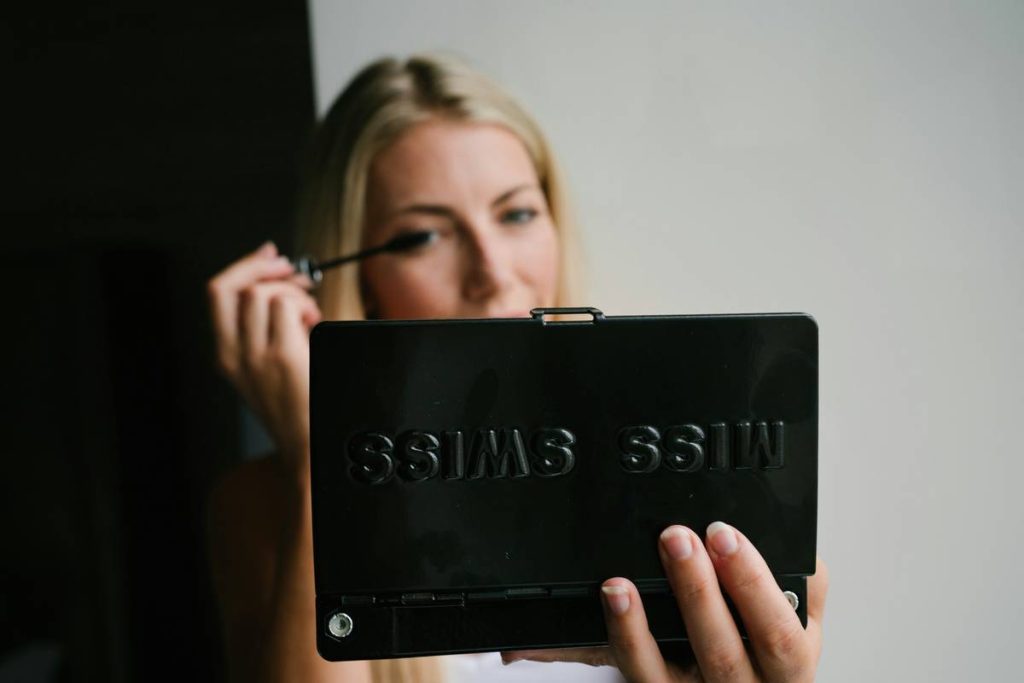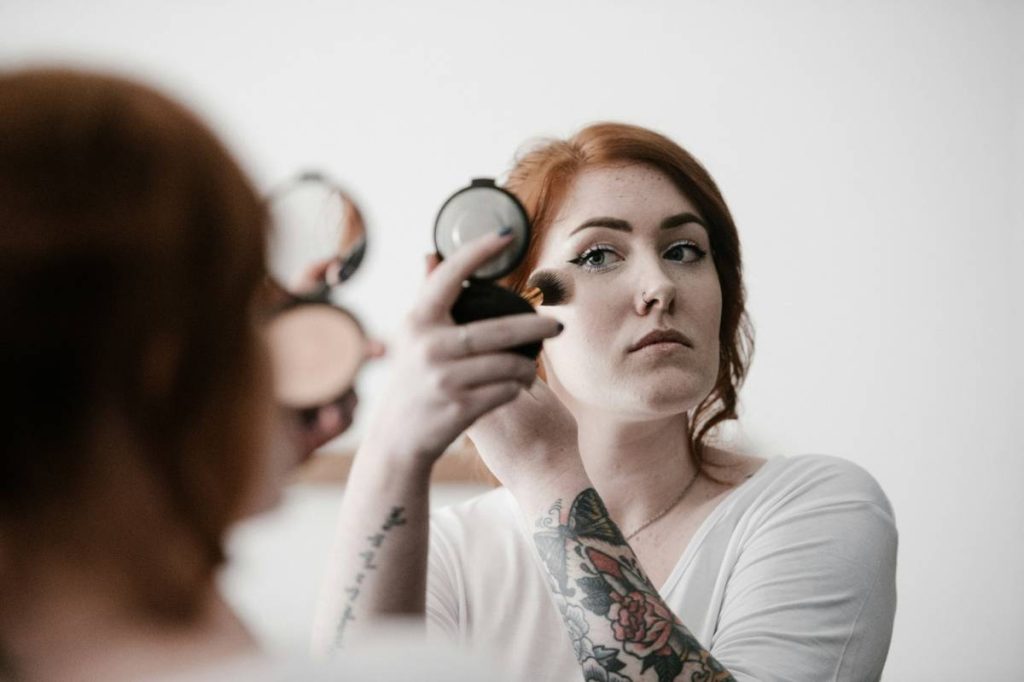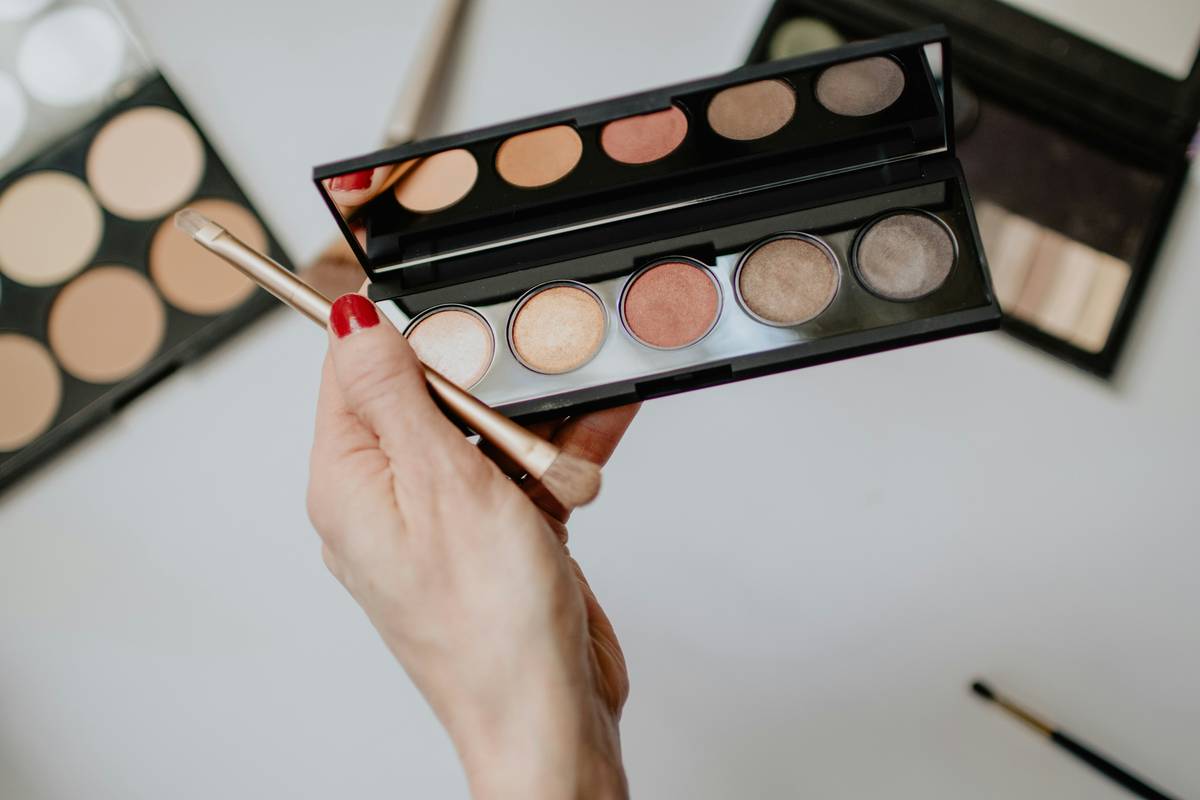
Ever spent hours perfecting a competition look—only to watch a judge frown at your blending? You’re not alone. With makeup competitions growing more competitive each year (the global beauty contest market is projected to hit $12.4 billion by 2027, according to Grand View Research), amateur techniques just won’t cut it. If you’re serious about standing out under those unforgiving stage lights, you need more than Instagram tutorials. This guide delivers actionable, battle-tested strategies—forged in actual backstage chaos—to help you learn to do makeup professionally without blowing your budget or credibility.
Table of Contents
- Why Professional Makeup Skills Matter in Competitions
- Step-by-Step Path to Mastering Competition Makeup
- Pro Tips and Best Practices
- Real-World Results from Trained Artists
- Frequently Asked Questions
Key Takeaways
- Stage lighting exposes every flaw—foundation matching and blending are non-negotiable.
- Practice under simulated competition conditions (heat, time limits, judging angles).
- Supplements support skin health but don’t replace technique—skip the “glow pill” hype.
- Build a competition portfolio with high-res photos shot in natural and stage lighting.
- Feedback from certified judges accelerates growth faster than solo experimentation.
Why Professional Makeup Skills Matter in Competitions
Makeup competitions aren’t just about creativity—they’re technical exams under pressure. I once lost a regional event because I used a dewy foundation that melted under hot lights, leaving patchy streaks by minute three. The judges didn’t care about my “artistic vision”; they saw poor product selection and prep. Unlike social media, where filters hide sins, live judging demands flawless execution from every angle.
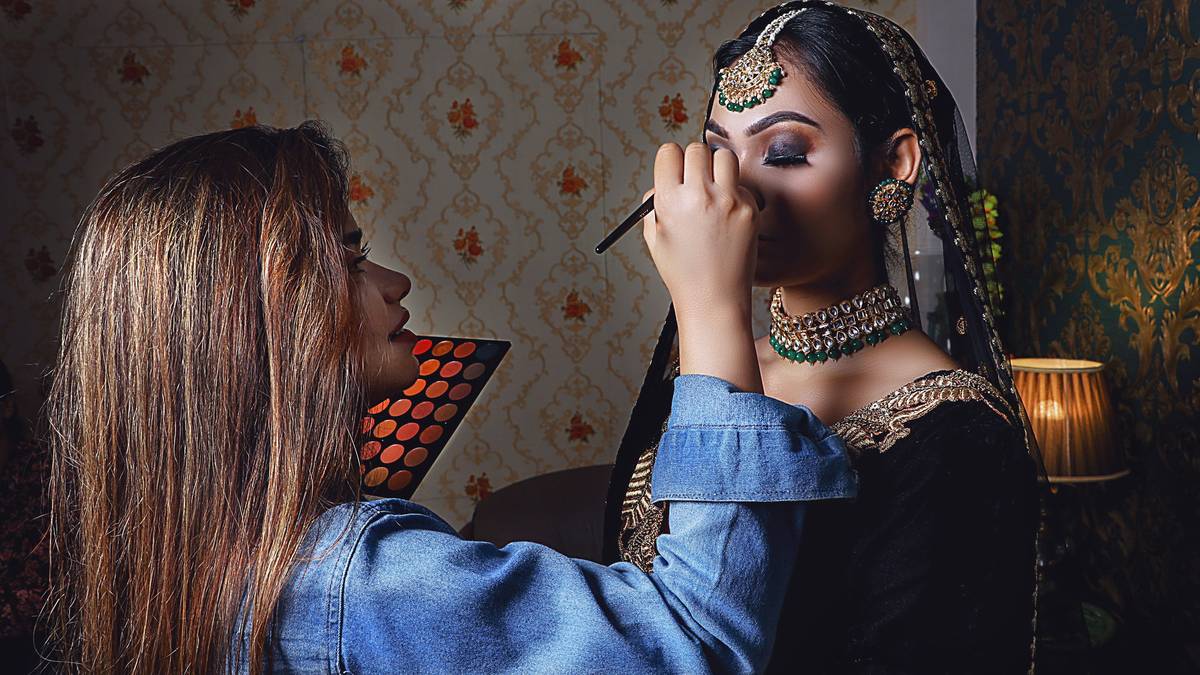
In this high-stakes arena, your skills must align with industry standards. That includes understanding color theory for diverse skin tones, mastering longevity techniques, and knowing how supplements like omega-3s (shown in NIH studies to support skin barrier function) complement—but never substitute—for proper application. Want to know who’s behind these insights? Check our About Us page.
Step-by-Step Path to Mastering Competition Makeup
1. Analyze Competition Briefs Rigorously
Each event has unique criteria—some prioritize avant-garde concepts; others demand editorial realism. Ignoring specifications is the fastest way to disqualification.
2. Build a Skin-First Foundation
Start with skincare tailored to your model’s needs. Hydrated, prepped skin ensures makeup adheres evenly. Consider topical primers over ingestible “magic pills”—no supplement replaces physical prep.
3. Simulate Stage Conditions During Practice
Use LED panels mimicking stage brightness and practice in timed 30-minute blocks. Record yourself to spot shaky lines or uneven blush placement.
4. Master Three Core Techniques Cold
Perfect cut creases, seamless contour, and water-resistant lip layering. These appear in 90% of competition categories.
Pro Tips and Best Practices
- Swatch everything on the jawline—not your wrist—under multiple light sources.
- Clean brushes between layers to avoid muddy transitions (a rookie error I learned the hard way).
- Avoid glitter overload: Judges often penalize excessive sparkle lacking technical merit.
- Hydrate models properly—dehydrated skin cracks under heavy products, regardless of skill level.
And here’s a terrible tip you’ll hear online: “Just use setting spray and hope for the best.” Nope. Setting sprays lock in what’s already there—if your base is flawed, you’re sealing failure.
Also, let’s rant for a sec: The wellness world pushes “beauty from within” supplements as cure-alls. While nutrition matters, no collagen gummy fixes poorly blended eyeshadow. Technique > pills, always.
Real-World Results from Trained Artists
Sarah K., a former amateur, entered her first national competition after 6 months of structured training focused on learn to do makeup professionally fundamentals. She prioritized lighting drills and judge feedback over chasing trends. Result? Top 5 finish—and a mentorship offer from a MAC senior artist. Her secret? Consistent practice using professional-grade pigments and documenting every attempt for critique. Compare that to untrained entrants who rely solely on drugstore kits and YouTube hacks; their dropout rate after round one exceeds 60%, based on competition organizer data.
Remember, trust begins with transparency. We protect your data rigorously—read our full Privacy Policy for details.
Frequently Asked Questions
How long does it take to learn to do makeup professionally for competitions?
Most dedicated artists see significant improvement in 3–6 months with daily, focused practice—not passive watching. Consistency trumps intensity.
Do I need expensive products to compete?
No. Skill matters more than price tags. Many winners use mid-range brands with expert application. Focus on pigment payoff and blendability, not logos.
Can supplements improve my competition makeup results?
Indirectly, yes—by supporting skin health. Omega-3s and vitamin E may reduce inflammation, creating a better canvas. But they won’t fix application errors.
Where can I get judged feedback before entering?
Join local makeup collectives or online forums with certified pros. Or reach out directly—we love helping emerging talent. Contact Us for guidance.
Is certification necessary to enter competitions?
Rarely. Most contests judge solely on the final look. However, formal training accelerates skill acquisition and builds credibility.
What’s the biggest mistake beginners make?
Overcomplicating designs. Clean, precise execution of simple concepts beats messy complexity every time.
So go ahead—practice like you’ve got judges breathing down your neck (because someday, you will). And when you’re ready to showcase your work, contact us. We’ll be cheering you on from the front row.
Roses are red,
Violets stay blended.
Go win that crown—
Your art’s worth defending.