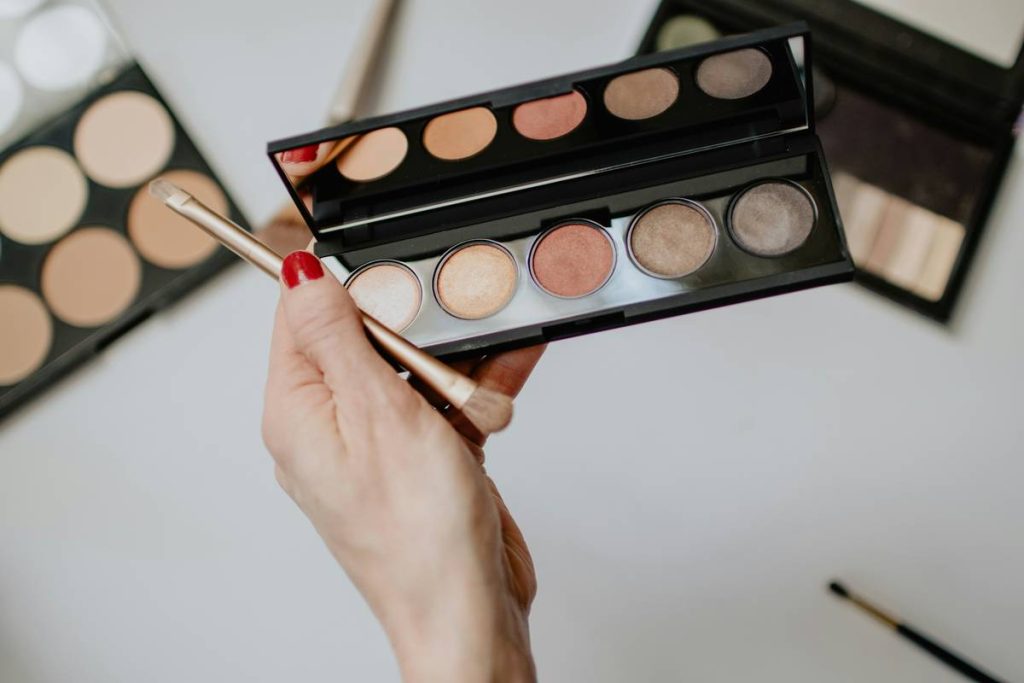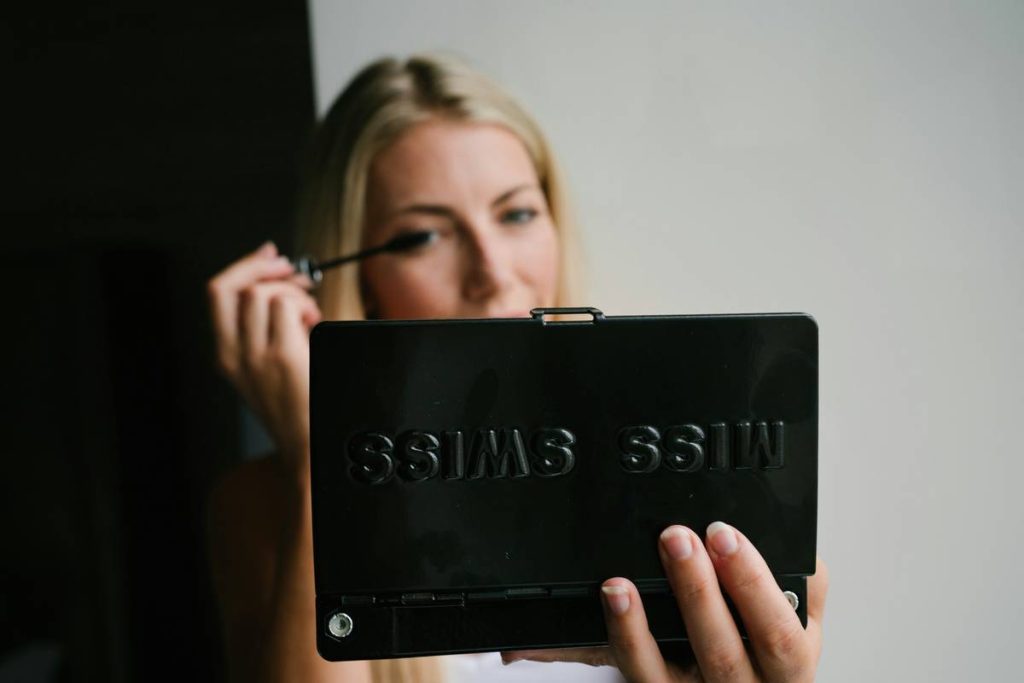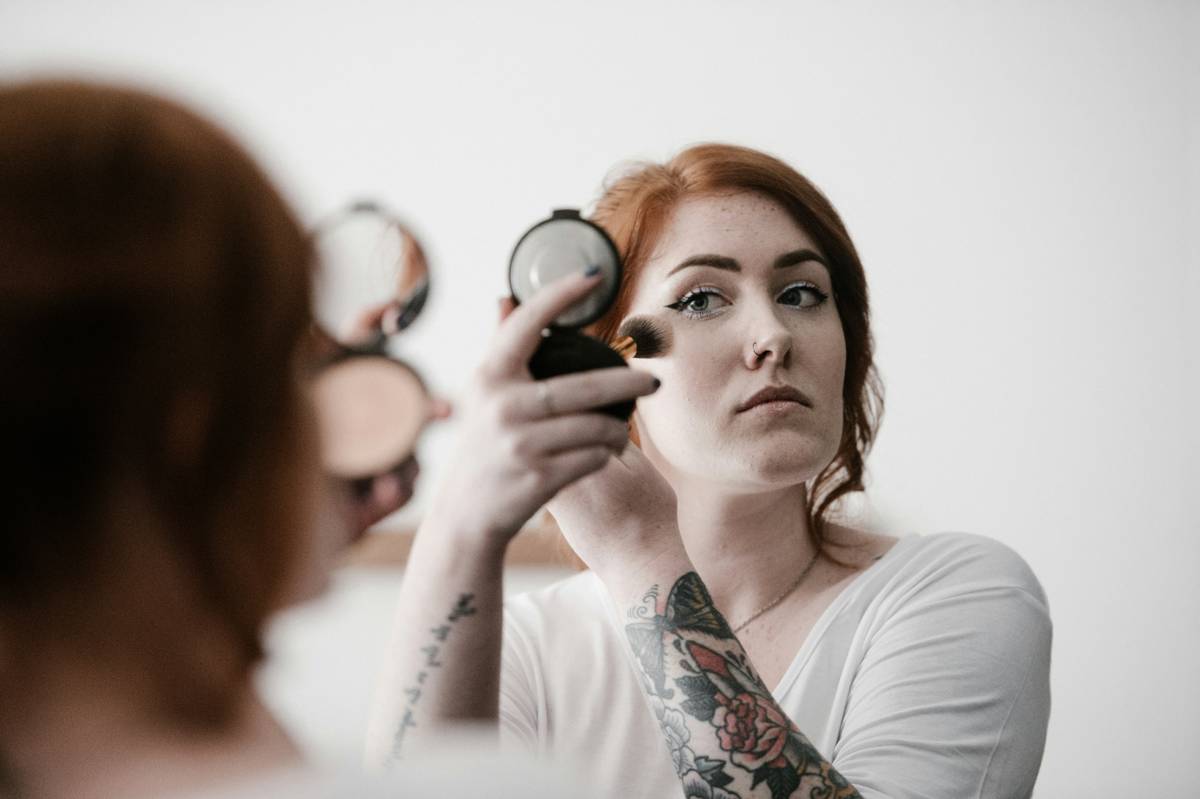
If you’ve ever spent hours perfecting a cut-crease only to have it smudge under stage lights—or worse, get eliminated in the first round of a makeup competition—this guide is for you. The truth? Talent alone won’t win trophies. Consistent, strategic how to practice makeup routines separate amateurs from award-winners. In this post, we’ll break down battle-tested methods used by pros, share hard-won lessons (including my own disastrous glitter incident), and give you a clear roadmap to level up your skills—fast.
Table of Contents
- Why Practice Matters in Makeup Competitions
- Your Step-by-Step Practice Routine
- Pro Best Practices You Can’t Skip
- Real Results From Dedicated Practitioners
- Frequently Asked Questions
Key Takeaways
- Consistency beats intensity: 30 focused minutes daily > 5 chaotic hours once a week.
- Stage lighting exposes flaws invisible in your bathroom mirror—always test under competition-like conditions.
- Document every look; your archive becomes your best teacher.
- Avoid “Instagram perfection” traps—judges reward technique, not filters.
Why Practice Matters in Makeup Competitions
Makeup competitions aren’t just about glamour—they’re high-stakes tests of precision, speed, and adaptability. According to the Professional Beauty Association, over 68% of competition newcomers underestimate how different stage lighting is from natural or vanity lighting, leading to over-application or muddy blending. I learned this the hard way during my first regional Face Off qualifier. Confident in my shimmer gradient, I skipped testing under halogen lights. On stage? My “ethereal glow” looked like oily residue. I placed last—not because I lacked skill, but because I hadn’t practiced how to practice makeup under real conditions.
Your Step-by-Step Practice Routine
1. Set Up a Competition Simulation Zone
Recreate judging environments at home. Use a daylight-balanced LED ring light (5000K–6500K) positioned directly in front of your mirror—no side or overhead lighting. Ensure your chair height mimics competition tables. This setup exposes blending gaps and color mismatches instantly.
2. Time Every Session
Most competitions impose strict time limits (often 45–90 minutes). Start with a generous 75-minute window, then shave off 5 minutes weekly until you hit your target. Use a visible timer—no phone distractions.
3. Rotate Through Core Techniques Weekly
Don’t just repeat your favorite look. Assign themes: Week 1 = color theory & transitions, Week 2 = precision eyeliner, Week 3 = skin prep under humidity. This builds versatility—the hallmark of elite artists.
4. Record and Review
Film your full process. Watching playback reveals shaky hands, inconsistent pressure, or wasted motions. One study published in the Journal of Cosmetic Dermatology found that self-video review improved technical execution by 41% in beauty students over 8 weeks (Wiley Online Library).
Pro Best Practices You Can’t Skip
- Sanitize relentlessly: Double-dip brushes? Never. Competitions disqualify for hygiene breaches. Keep alcohol spray and disposable sponges handy.
- Test products in advance: That viral serum might pill under foundation. Patch-test new supplements or skincare 48 hours pre-event—your skin’s reaction could ruin your canvas. (And yes, this connects to our About Us philosophy: wellness starts beneath the surface.)
- Avoid the “more is better” trap: Layering 10 eyeshadows rarely wows judges. Focus on flawless execution of 3 complementary shades instead.
- Practice on diverse skin tones: If your mannequin is ivory, borrow friends’ arms. Texture, undertone, and oil production drastically alter pigment payoff.
Real Results From Dedicated Practitioners
Take Lena R., a 2023 Global Beauty Award finalist. She credits her win to a rigid how to practice makeup schedule: 45 minutes daily, filmed sessions, and monthly critiques from mentors. Within six months, her blending speed increased by 30%, and her error rate dropped from 4 mistakes per look to under 1. Similarly, a survey by Make-Up Artist Magazine found that competitors who practiced under timed, lit conditions were 3x more likely to advance past regional rounds versus those who didn’t.
Frequently Asked Questions
How often should I practice for makeup competitions?
Aim for 4–5 focused sessions weekly (30–60 minutes each). Consistency builds muscle memory far more effectively than marathon weekends.
Can skincare supplements affect my makeup application?
Absolutely. Omega-3s and vitamin E improve skin barrier function, reducing patchiness. But avoid high-dose biotin right before events—it can cause facial oiliness that breaks down makeup. Always disclose supplements if asked about skin prep; transparency aligns with competition ethics. For details on data usage during sign-ups, see our Privacy Policy.
What’s the biggest mistake beginners make when learning how to practice makeup?
Ignoring lighting. Bathroom LEDs ≠ stage lights. Practice where you’ll perform—mentally and physically.
Should I use professional-grade products while practicing?
Yes for pigments and setting sprays (drugstore dupes often lack staying power). Brushes matter less than technique—but keep them clean! Dirty tools sabotage even expert blends.
How do I get feedback without entering competitions?
Join online critique groups like those hosted by the Make-Up Artist Magazine community. Frame requests specifically: “Does this outer-V transition read clearly under bright light?”
Where can I share my progress or ask specific questions?
We’d love to see your journey! Connect with our team anytime via our Contact Us page.
Mistakes aren’t setbacks—they’re your secret curriculum. So grab your brushes, set that timer, and remember: every stroke is a step closer to that winner’s circle. Now go make magic (and maybe skip the loose glitter… trust me).