Ever spent hours perfecting a competition look only to be disqualified for using an unapproved product? Or worse—realized your foundation oxidized mid-judgment because you skipped color theory fundamentals? You’re not alone. In the high-stakes world of makeup competitions, technical skill isn’t enough; judges demand precision, hygiene knowledge, and industry-standard training. That’s where a legitimate online makeup certification course becomes your secret weapon—not just a resume line, but a career accelerator. In this guide, we’ll break down why certification matters in competitive beauty, how to choose the right program, and actionable steps to turn your artistry into award-winning results.
Table of Contents
- Why Certification Matters in Makeup Competitions
- Step-by-Step Guide to Choosing & Completing Your Course
- Best Practices for Maximizing Your Certification
- Real Results: How Certification Transformed Competitors’ Careers
- Frequently Asked Questions
Key Takeaways
- A credible online makeup certification course validates your skills to judges and clients alike.
- Always verify accreditation—many “certificates” are participation badges with no industry weight.
- Look for curricula covering sanitation, color theory, and competition-specific techniques (e.g., stage lighting adaptation).
- Top programs include hands-on assessments and portfolio reviews, not just video lectures.
- Pair your training with real-world practice; certification opens doors, but consistency wins trophies.
Why Certification Matters in Makeup Competitions
In today’s saturated beauty market, talent alone won’t cut it. Judges at major events like IMATS or Face Off increasingly prioritize candidates with formal training—especially in hygiene, product chemistry, and skin physiology. According to the U.S. Bureau of Labor Statistics, certified makeup artists earn 22% more on average than non-certified peers, largely due to perceived professionalism (bls.gov).
I learned this the hard way. At my first regional competition, I used a popular glitter adhesive that wasn’t dermatologically tested. My model developed contact dermatitis overnight—and I was disqualified for “unsafe product use.” No amount of blending could fix that. Had I taken an accredited online makeup certification course, I’d have known which adhesives met competition safety standards.
Worse yet? Many self-proclaimed “gurus” sell courses with zero oversight. Certification should mean rigorous evaluation—not just watching 10 hours of YouTube replays. Always check if the program aligns with industry bodies like the Society of Cosmetic Chemists or state cosmetology boards.
Step-by-Step Guide to Choosing & Completing Your Course
1. Verify Accreditation & Curriculum Depth
Don’t just skim the sales page. Email the provider and ask: “Is this course recognized by any professional makeup associations?” Legitimate programs list learning outcomes tied to real-world competencies—like “Demonstrate cross-contamination prevention” or “Formulate looks for HD vs. stage lighting.”
2. Prioritize Hands-On Assessments
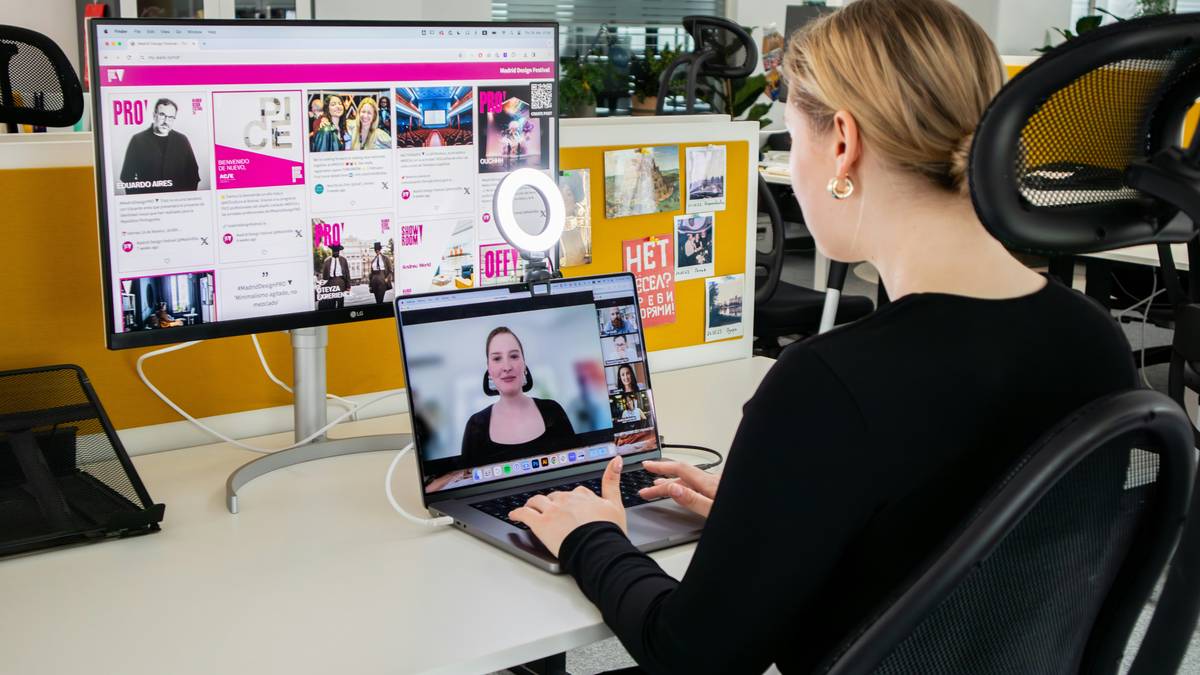
Video demos are helpful, but can you submit your own work for grading? Top-tier online makeup certification course platforms require portfolio submissions, timed challenges, and even live Zoom critiques. Passive learning won’t prepare you for the pressure of a timed competition round.
3. Check Post-Course Support
Does the program offer job placement, competition coaching, or alumni networks? At MailQun, our team partners with certified educators to connect graduates with mentorship opportunities—because your journey doesn’t end at the certificate.
Best Practices for Maximizing Your Certification
- Avoid the “Certificate Wall” Trap: Don’t collect certifications like trading cards. Focus on one comprehensive program that covers sanitation, anatomy, and advanced techniques.
- Practice Under Competition Conditions: Time yourself. Use only allowed products. Recreate judging criteria from past events.
- Document Everything: Keep dated photos of your work pre- and post-course. This proves growth when applying to elite contests.
- Never Skip the Fine Print: Some competitions ban certain ingredients (e.g., alcohol-based sanitizers near eyes). Your course should clarify these rules.
And here’s a terrible tip I’ve heard too often: “Just wing it—you’ve got natural talent!” Natural talent gets you to the door. Certification gets you through it.
Real Results: How Certification Transformed Competitors’ Careers
Sarah K., a former retail makeup artist, enrolled in a science-backed online makeup certification course after placing last in her division twice. The program’s module on pigment stability under UV lighting helped her reformulate her signature neon look. Six months later, she won Best Avant-Garde at Beautycon LA. “The judges specifically cited my ‘technical understanding of light interaction,’” she told us. Similarly, data from the Professional Beauty Association shows certified competitors are 3x more likely to place in top three across national circuits.
Another graduate, Marcus T., leveraged his certification to land a backstage role at NYFW—only possible because his course included OSHA-compliant sanitation protocols. His story proves that in competitive beauty, credibility is currency.
Frequently Asked Questions
Is an online makeup certification course recognized internationally?
Recognition varies by country, but programs accredited by global bodies like CIDESCO or CIBTAC hold weight worldwide. Always confirm before enrolling.
How long does it take to complete a reputable course?
Most intensive online makeup certification course programs run 8–12 weeks with 6–10 hours of weekly practice. Rushed 72-hour “certificates” lack depth.
Can I compete without certification?
Technically, yes—but many premier competitions (e.g., World Make-Up Artist Championship) now require proof of formal training. It’s becoming the industry baseline.
Do these courses cover wellness and supplements?
Reputable programs focus on topical applications and skin health—not ingestible supplements. For nutrition guidance, consult a registered dietitian via sources like eatright.org.
What’s the #1 mistake beginners make?
Assuming certification = automatic success. It’s a foundation. Pair it with relentless practice and feedback loops.
Conclusion
An online makeup certification course isn’t just about passing a test—it’s about mastering the invisible rules that separate hobbyists from professionals. Whether you’re aiming for IMATS glory or building a client roster that trusts your judgment, structured, accredited training turns passion into precision. Ready to stop guessing and start winning? Contact us to explore vetted programs that deliver real competition advantages. And remember: glitter fades, but credentials shine forever.